
Basement Flooding
inDetroit, MI
The most common water damage call in Detroit, and the one that keeps happening to the same houses.
about Basement Flooding
Why the Same Basements Keep Flooding
A flooded basement is rarely a one time event. Talk to homeowners in Detroit and the surrounding communities and you hear the same thing again and again. It happened last spring. It happened the year before that. The water got pumped out, the floor dried, and nobody ever found out why.
That is the difference between cleaning up a flood and fixing one. Basement flooding is the most frequent form of Water Damage Restoration we handle, and it almost always traces back to a specific failure that can be named. Until someone names it, the next heavy rain does the same thing to the same room.
what's included
What Is Included in Our
Basement Flooding Service
Water comes out first, using submersible pumps and extraction units. Then we look for how it got in, because that is the part that determines whether this happens again.There are only a handful of ways water enters a Detroit basement. The sump pump quits, or the float sticks, or the check valve stops closing and lets water flow straight back down the discharge line.
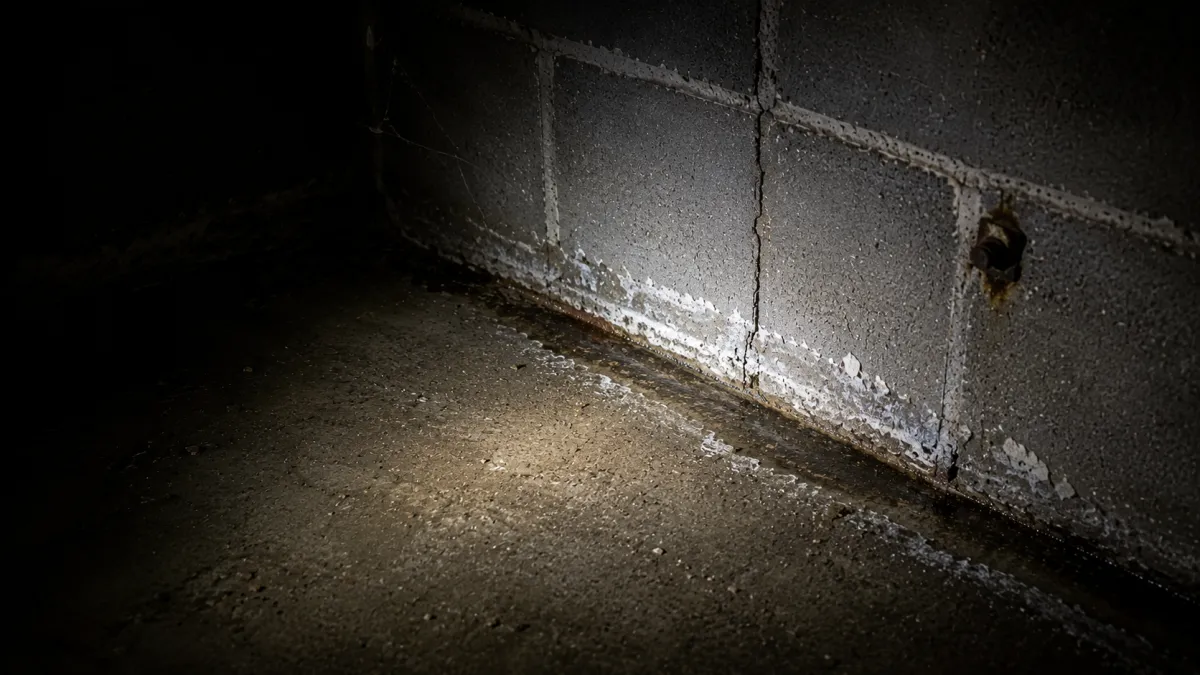
The discharge line itself clogs with sediment. The sewer backs up under heavy rain and pushes water up through the floor drain. Or the foundation is letting water through, either at a crack or at the joint where the wall meets the floor.
We check each of these rather than guessing. You get told which one it was, in plain language, so you can decide what to do about it before the next storm.
Our Process
Our Basement Flooding Process
Step 1. Pump the water out
Submersible pumps handle the standing water at depth. This is the urgent part, and it happens on the first visit.
Step 2. Find the entry point
We check the sump system, the floor drain, and the foundation. Water coming up through a drain is a different problem than water coming through a wall, and the fix is different too.
Step 3. Remove what cannot be saved
Carpet pad, soaked drywall, and wet insulation come out. If the water came up through the floor drain it was contaminated, and porous material does not get dried and saved.
Step 4. Dry the structure
Air movers and dehumidifiers run until moisture readings confirm the framing and subfloor are dry, not just the concrete surface.
F.A.Q
Basement Flooding FAQ
Here are answers to common questions about our restoration services.

Why does my Detroit basement flood every time it rains hard?
Usually the sump pump. Four failures cause most of it: the pump quits, the float sticks, the check valve stops closing, or the discharge line clogs. The other common cause is the sewer backing up through the floor drain.
How do I know if the water came from the sewer or the foundation?
Water rising from the floor drain means a sewer backup, and that water is contaminated. Water tracking down a wall or seeping at the joint where the wall meets the floor means the foundation. My Charlotte LLC checks both.
My sump pump is running but the basement still flooded. Why?
A running pump that is not moving water usually means a failed check valve or a clogged discharge line. The pump works, but the water it pushes out flows straight back in, or never leaves at all.
Can carpet be saved after a basement flood?
The pad almost always comes out. Carpet can sometimes be dried in place if the water was clean and we reach it within 24 to 48 hours. Water from a sewer backup means the carpet goes too.
How long does it take to dry a flooded basement?
Drying takes 3 to 7 days depending on how much water there was and what materials were affected. Pumping the water out happens on the first visit, usually within a few hours.
Will mold grow after my basement floods?
Mold can begin growing within 24 to 48 hours if the structure is not properly dried. Basements that have flooded before carry higher risk, because moisture is often still in the framing from an earlier flood nobody finished drying.

Water damage restoration serving Detroit and the surrounding metro area, based in Northville, MI. Emergency water removal, flooded basement cleanup, sewage backup,
and mold remediation. Brian leads every job and stays with the work until the structure is dry. Available 24 hours a day.


Service Areas
Contact Now
Office Location
302 W Main st., Northville Michigan 48167
Office Info
248-290-6470