
Mold Remediation in Detroit, MI
We contain it, remove it, and fix the moisture that fed it, so it does not come back through the same wall.
24/7 Mold remediation services
Why Detroit Basements Grow Mold
Mold is not the problem. Mold is what happens after the problem. It needs moisture, and in Detroit the moisture is almost always still there when we arrive.
A basement floods, the water gets pumped out, and the floor looks fine within a day. But moisture stays inside the framing, behind the drywall, and packed into the insulation. Mold can begin growing within 24 to 48 hours in those conditions, and it grows in the dark, out of sight, while the house looks dry.
This is why so many Detroit homes have it. Old houses, clay soil, damp basements, and floods that were cleaned up but never properly dried. If someone removes the growth and walks away from the water source, it returns to the same wall within months.
Ready to Get Rid of Mold? Call Us
our mold remediation
What Is Included in Our Mold Remediation
Mold Removal
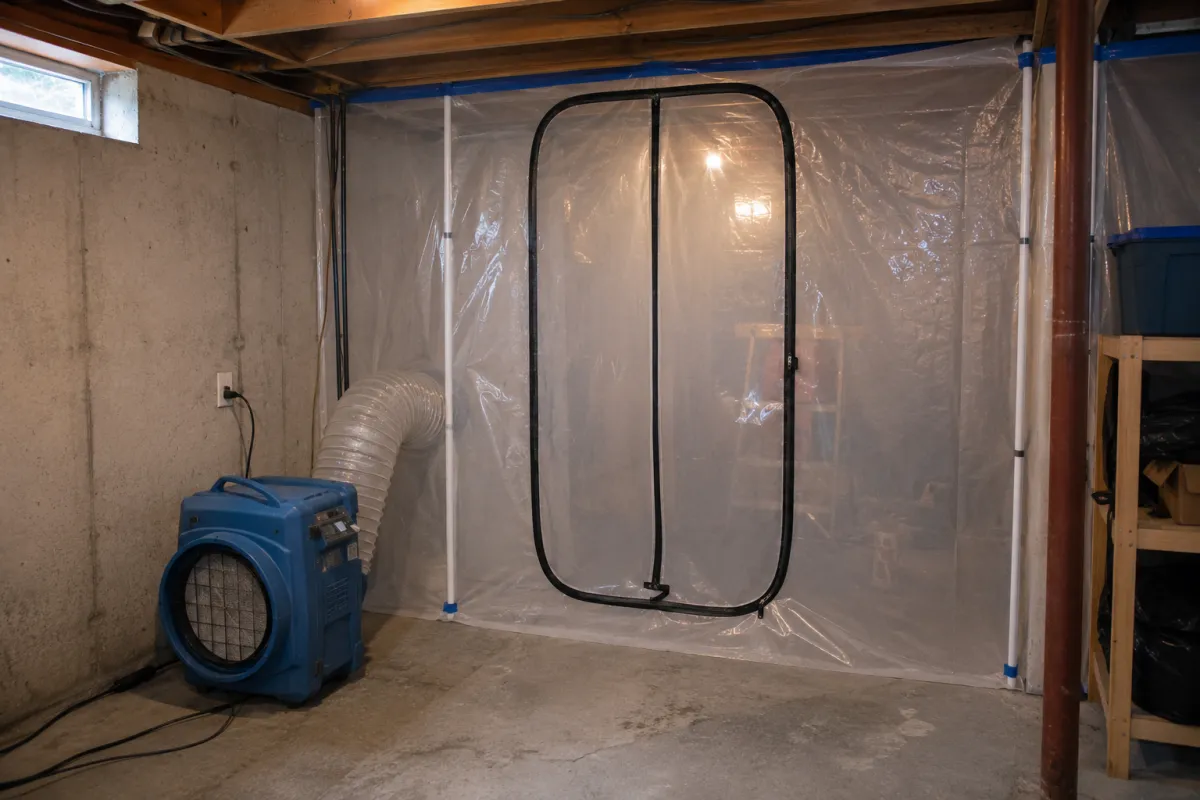
This is the standard remediation job. We find the growth, seal off the work zone before anything is cut, and run HEPA air scrubbers so spores do not travel into the rest of the house. Colonized drywall and insulation come out, because porous materials cannot be reliably cleaned once mold is established in them. Hard surfaces that can be saved are cleaned and treated. Then we dry the structure, because the moisture that fed the growth is still in the framing and removal alone does not fix that.
Black Mold Remediation
Heavier growth, usually in Detroit basements with a long flood history, calls for the same containment discipline and a larger removal scope. More material comes out, the containment stays up longer, and the drying matters even more, because black mold in a basement almost always means water has been sitting somewhere for a long time. We tell you plainly what we find and what we can remove.
Our Process
Our Mold Remediation Process
Step 1. Inspect and find the water
We locate the growth and trace it back to the moisture source. A leaking foundation, a failed sump pump, or a basement that never fully dried after a flood.
Step 2. Contain the Area
The work zone is sealed before anything is cut or moved. This is the step that keeps a basement problem from becoming a whole house problem.
Step 3. Filter the air
HEPA air scrubbers run throughout the removal, pulling airborne spores out of the space instead of letting them circulate.
Step 4. Remove affected materials
Colonized drywall, insulation, and other porous materials come out. Surfaces that can be saved are cleaned and treated.
Step 5. Dry the structure
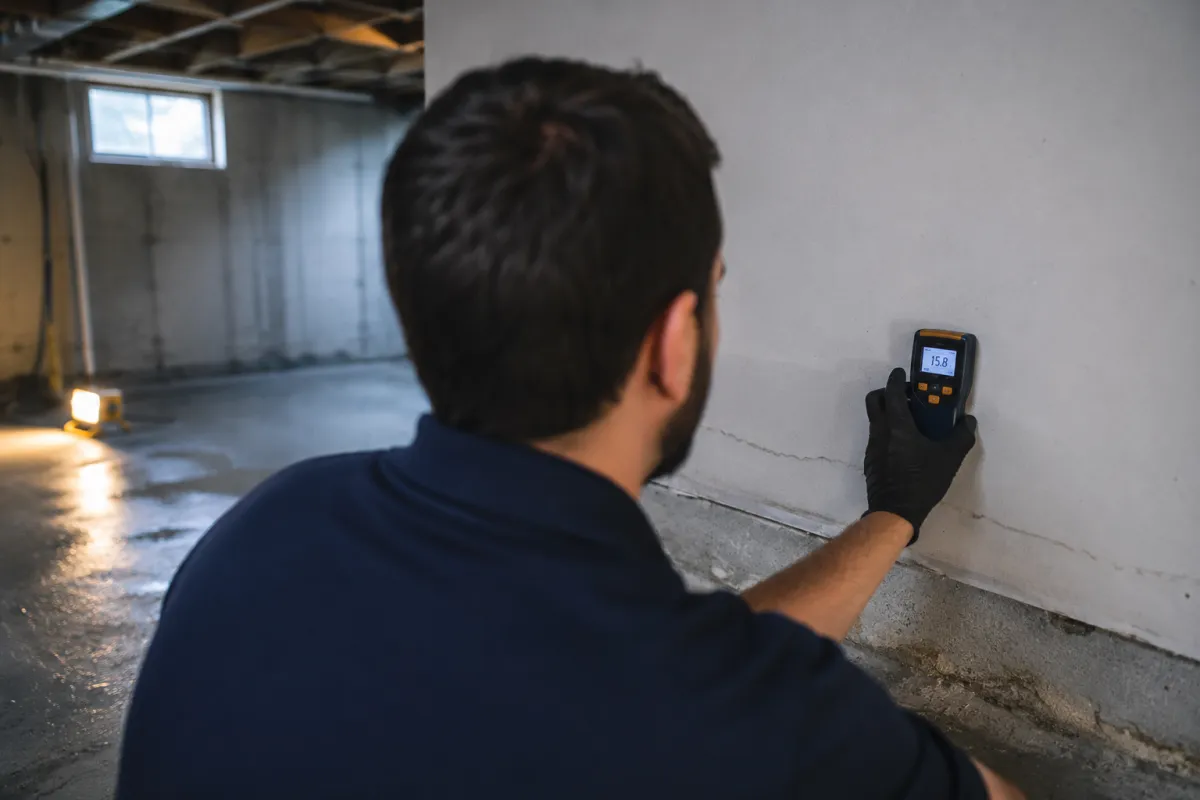
Air movers and dehumidifiers run until moisture readings confirm the structure is dry. Without this step, the mold returns.
Step 6. Verify and document
Brian and the team takes readings throughout and does not call the job finished until the structure is dry. You get the readings and the record of what was removed.
WHO WE HELP
Homes and Businesses
Across Detroit
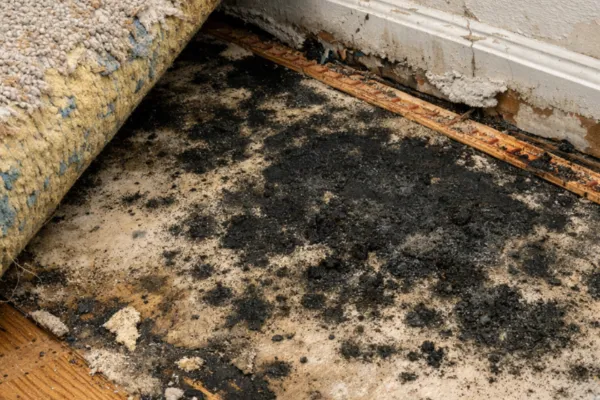
For homeowners, mold shows up in the basement first. It grows behind finished basement walls, inside insulation, and under carpet that was dried on the surface but never dried underneath. Families notice a musty smell long before they see anything, and in homes with asthma the health concern is real.
For businesses, mold means a space you cannot put people in. Growth behind drywall in an office, in a restaurant storage area, or in an apartment building creates both a health issue and a liability. We contain the area, remove what is affected, and dry the structure so the space can be used again.
WHY Detroit CHOOSE us
Why Choose My Charlotte LLC?
On Call 24/7 Emergency Response
The easy version of this job is to remove what you can see, spray the surface, and leave. It looks finished. The homeowner is satisfied. And the mold comes back through the same wall in a few months because nobody dried the framing behind it.
We do not work that way. Brian finds the moisture source, and he stays on the drying until the readings say the structure is dry. One customer wrote that he monitored their drying for over five days rather than calling it done early. That is the difference between remediation and a temporary fix.
We also tell you plainly what we find, what we can remove, and what falls outside our scope. No scare tactics.
Service Areas
Communities We Serve
We serve Detroit and the surrounding communities across Metro Detroit. Detroit · Dearborn · Dearborn Heights · Redford · Southfield · Livonia · Westland · Garden City · Canton · Plymouth · Northville · Novi · Farmington · Farmington Hills · West Bloomfield · Bloomfield Hills · Birmingham · Commerce Township · Walled Lake · Ann Arbor
FAQ
Frequently Asked
Questions
Here are answers to common questions about our Restoration services.
How fast does mold grow after water damage?
Mold can begin growing within 24 to 48 hours if water damage is not properly dried. This is why fast drying matters more than fast cleanup, especially during humid Michigan summers.
Why does mold keep coming back in my Detroit basement?
Because the moisture source is still there. If the growth is removed but the framing behind it stays wet, or the foundation still leaks, mold returns to the same wall within months.
Can you clean mold off drywall or does it have to come out?
Porous materials that have been colonized cannot be reliably cleaned. Drywall and insulation come out. Hard, non porous surfaces can often be cleaned and treated.
Is black mold different from regular mold?
The remediation discipline is the same. Containment, filtration, removal, and drying. Heavier growth usually means a longer flood history and a larger removal scope.
How long does mold remediation take?
Removal depends on the size of the affected area. The drying that follows typically takes 3 to 7 days depending on how much water there was and what materials were affected.
Will mold spores spread through my house during the work?
Not if the area is contained first. We seal the work zone and run HEPA air scrubbers throughout removal, which is what keeps spores from traveling into unaffected rooms.
I smell something musty but I cannot see mold. What now?
A musty smell usually means moisture and growth somewhere you cannot see, often inside a wall cavity or under flooring. We inspect and take moisture readings to find it. Learn More:Odor Removal page

Water damage restoration serving Detroit and the surrounding metro area, based in Northville, MI. Emergency water removal, flooded basement cleanup, sewage backup,
and mold remediation. Brian leads every job and stays with the work until the structure is dry. Available 24 hours a day.


Service Areas
Contact Now
Office Location
302 W Main st., Northville Michigan 48167
Office Info
248-290-6470