
Water Damage Restoration
in Detroit,MI
We find the water you cannot see, dry the structure until the readings prove it, and tell you exactly what failed.
24/7 wATER DAMAGE RESTORATION services
When Water Gets Into a
Detroit Home
The water you can see is the smaller problem. Within minutes it wicks up drywall, soaks into insulation, and settles into subfloor and framing where nothing looks wrong from the outside. A basement can look dry three days later and still be holding enough moisture inside the walls to start growing mold.
That is the situation water damage restoration exists to solve. Not mopping up. Finding every wet material in the structure, removing what cannot be saved, and drying the rest until moisture readings confirm the building is genuinely dry.
Detroit homes make this harder than most. The housing stock is old, the clay soil holds water against foundations, and the plumbing has been quietly failing for decades. When it goes, it usually goes into the basement.
Get Emergency Restoration Services Today
our water damage restoration
What Is Included in Our
Water Damage Restoration
Emergency Water Extraction
When water is still on the floor, removal comes first. We bring commercial pumps and extraction units and pull standing water out fast, because water sitting on subfloor is water soaking into subfloor.
Basement Flooding
Basements are where most Detroit water damage happens. Sump pump failures, sewer backups, and foundation seepage put water where the ductwork, the furnace, and the framing all live. We handle the water and find what let it in.
Flood Damage Restoration
Storm water and rising groundwater bring a different problem than a burst pipe. The water is contaminated, it arrives in volume, and saturated materials usually cannot be saved.
Water Removal
Beyond the standing water, saturated materials hold their own. Wet insulation, soaked carpet pad, and water logged drywall come out so the structure behind them can dry properly.
Structural Drying
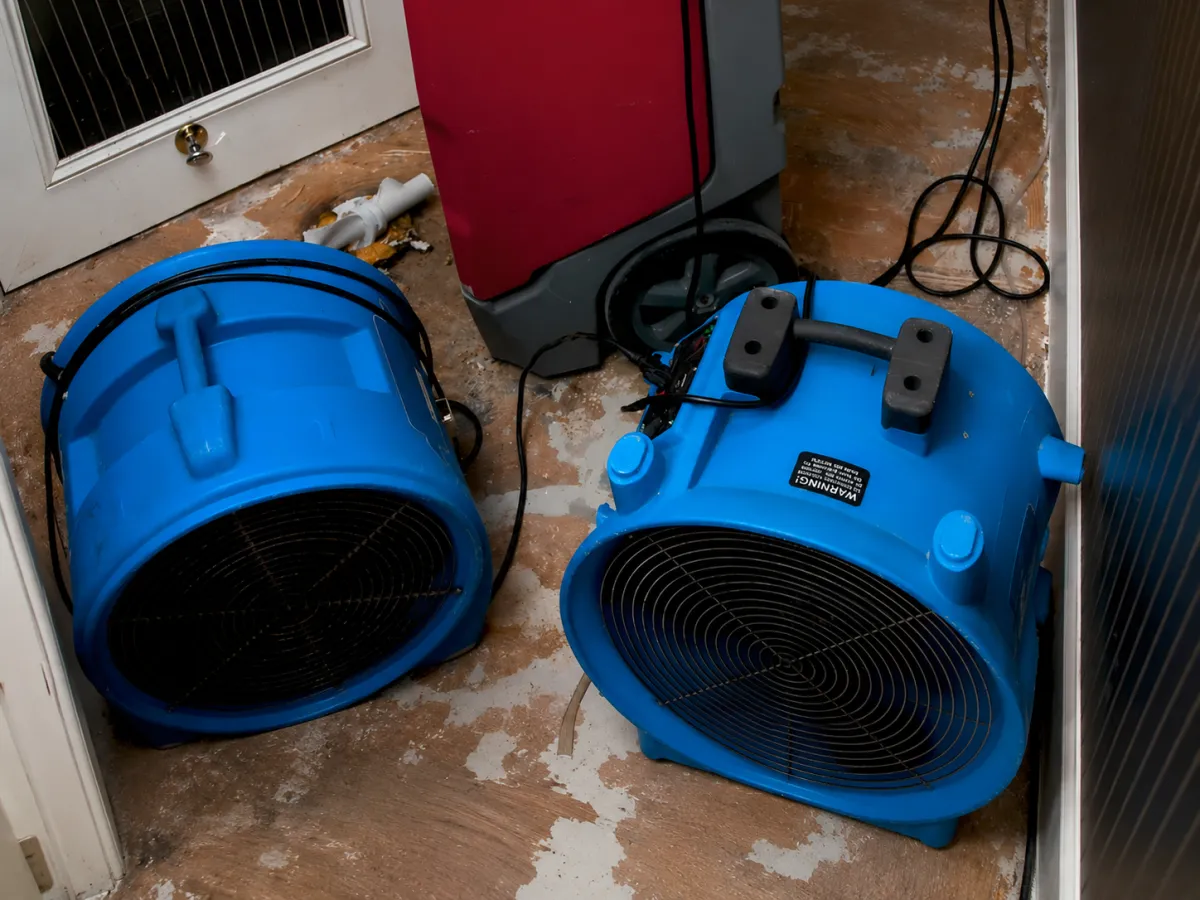
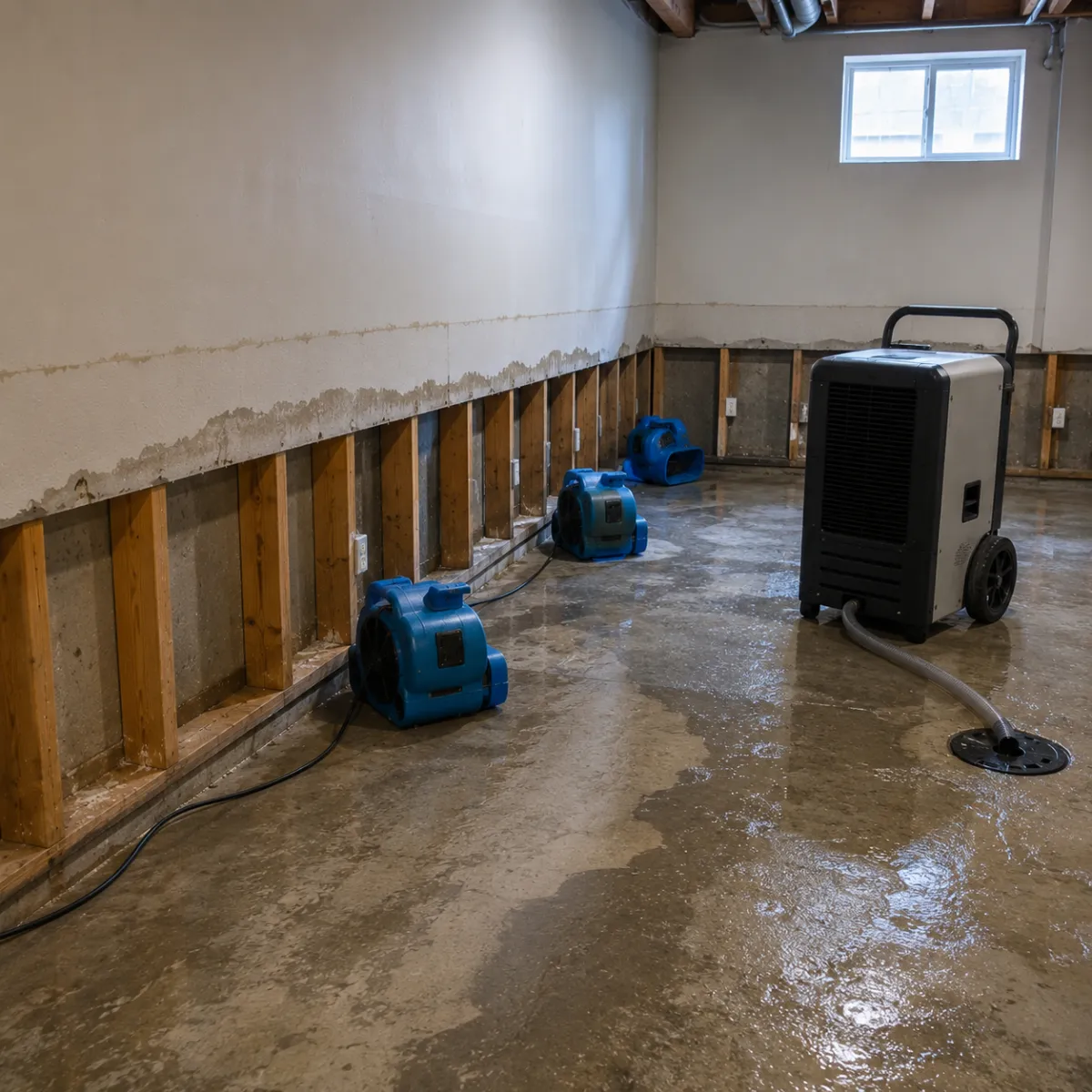
Surface dry is not dry. We run air movers on the framing, subfloor, and wall cavities, taking moisture readings until the structure itself reaches proper levels. Drying typically takes 3 to 7 days.
Dehumidification Services
Michigan's humid summers slow drying down, because wet air cannot pull moisture out of wet wood. Commercial dehumidifiers strip humidity from the space so the air movers can actually do their job.
Our Water Damage Restoration Process
Our Water Damage Restoration Process
Step 1. Stop the water
Before anything else, the source gets shut off. A burst pipe keeps flooding until the main is closed, and every minute it runs adds material to the removal list.
Step 2. Map the moisture
We read the structure before we touch it. Meters and thermal imaging show where the water went, including inside wall cavities and under flooring where it is invisible.
Step 3. Water Extract
Standing water is pumped out. This is the fastest part of the job and the most urgent, because water sitting on subfloor is water soaking into subfloor.
Step 4. Remove what cannot be dried
Saturated insulation holds water indefinitely. Wet drywall crumbles. Contaminated carpet pad cannot be cleaned. These come out so the structure behind them can dry.
Step 5. Dry the structure
Air movers and dehumidifiers run continuously. Drying typically takes 3 to 7 days depending on how much water there was and what materials were affected.
Step 6. Verify and document
Brian and the team takes readings throughout and does not call the job finished until the structure is dry. You get the readings and the drying logs.
WHO WE HELP
Homes and Businesses
Across Detroit
For homeowners, water damage in Detroit usually means the basement. A sump pump quits during a storm. A sewer line backs up and puts contaminated water across the floor. A pipe freezes in January and bursts while the house is empty. Finished basements are the worst of it, because carpet, drywall, and framing are all in the water's path.
For businesses, water damage means closed doors. A burst supply line in an office soaks carpet and drywall overnight. A roof leak in a warehouse ruins inventory. A restaurant with standing water cannot serve. We work to stabilize and dry the property fast enough for you to reopen, and we serve offices, retail spaces, restaurants, apartment buildings, and warehouses across Detroit.
Why Choose My Charlotte LLC for Water Damage Restoration
Why Choose My Charlotte LLC?
On Call 24/7 Emergency Response
Drying is where restoration jobs are won or lost, and it is where most companies cut the job short. Equipment gets pulled after three days because the surface feels dry and the crew is needed elsewhere. The moisture stays in the framing, and the homeowner finds mold behind the wall two months later.
Brian leads every job and stays on the drying until the readings say it is finished. One customer wrote that he monitored their drying for over five days rather than calling it done early. When another restoration contractor was overwhelmed by five flooded houses after a single storm, they called Brian to take the overflow.
Service Areas
Communities We Serve
We serve Detroit and the surrounding communities across Metro Detroit. Detroit · Dearborn · Dearborn Heights · Redford · Southfield · Livonia · Westland · Garden City · Canton · Plymouth · Northville · Novi · Farmington · Farmington Hills · West Bloomfield · Bloomfield Hills · Birmingham · Commerce Township · Walled Lake · Ann Arbor
F.A.Q
Frequently Asked
Questions
Here are answers to common questions about our restoration services.

How long does water damage restoration take in Detroit?
Drying typically takes 3 to 7 days depending on how much water there was and what materials were affected. We take moisture readings throughout and do not stop until the structure is dry.
How fast can you respond to water damage?
We answer around the clock and respond the same day, often within the hour for nearby communities. Water keeps spreading through the structure until it is extracted, so arrival time directly affects how much can be saved.
Can wet drywall be saved or does it have to come out?
It depends on how saturated it is and whether the water was clean. Drywall soaked by contaminated water comes out. Lightly affected drywall can sometimes be dried in place if we catch it early.
My basement looks dry now. Do I still need restoration?
Probably. Surface dry is not structurally dry. Moisture stays inside framing, subfloor, and insulation long after the floor looks fine, and that trapped water is what grows mold within 24 to 48 hours
What causes most water damage in Detroit homes?
Sump pump failures, sewer backups, burst pipes during cold snaps, and foundation leaks. Detroit's older housing stock and clay soil make basements especially vulnerable during heavy rain
Do you handle contaminated water and sewage backup?
Yes. Contaminated water means carpet, pad, and soaked drywall come out rather than being dried. We extract, remove what cannot be saved, and disinfect the space.
Will I need mold remediation after water damage?
Only if mold has already started. Proper drying within the first 24 to 48 hours is what prevents it. If we find growth, we handle remediation as well.

Water damage restoration serving Detroit and the surrounding metro area, based in Northville, MI. Emergency water removal, flooded basement cleanup, sewage backup,
and mold remediation. Brian leads every job and stays with the work until the structure is dry. Available 24 hours a day.


Service Areas
Contact Now
Office Location
302 W Main st., Northville Michigan 48167
Office Info
248-290-6470