
Flood Damage Restoration in Detroit, MI
Storm water is not clean water. What it touches usually cannot be dried and saved.
about Flood damage restoration
Flood Water Is Different
There is a difference between a pipe breaking and a flood, and it is not the amount of water. It is what is in it.Water from a burst supply line is clean. Caught fast, a lot of what it touches can be dried and saved. Flood water is not clean. It comes in over the ground or up through a drain, and it carries soil, sewage, fuel, fertilizer, and whatever else was sitting in its path. Porous material that absorbs it does not get cleaned back to safe. It gets removed.
That is the part of Water Damage Restoration homeowners find hardest to hear. The flood was bad enough. Being told the carpet, the drywall, and the insulation all have to come out feels like a second loss.
what's included
What Is Included in Our
Flood Damage Restoration Service
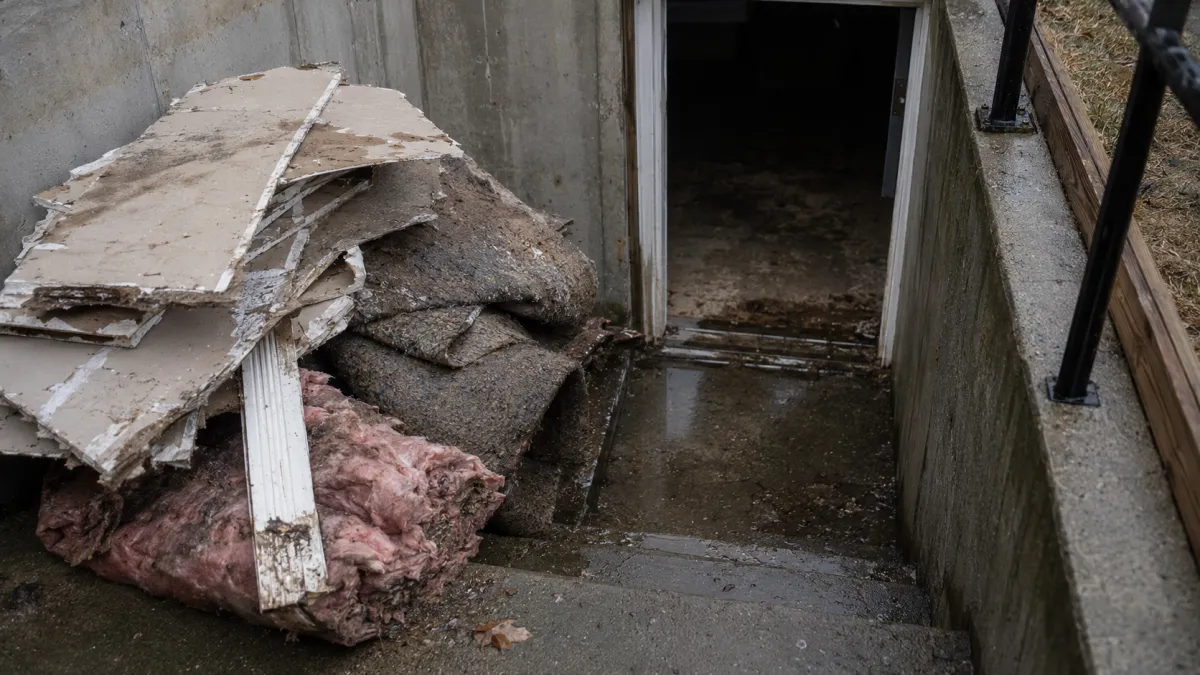
We pump the standing water out first, then we make the decisions about material.Anything porous that absorbed contaminated flood water comes out. Carpet and carpet pad. Drywall, cut above the water line. Insulation, which holds water indefinitely and never dries properly once soaked. Particle board, baseboard molding, cardboard, and upholstered furniture. Hard, non porous surfaces like concrete, tile, and sealed wood can usually be cleaned and disinfected rather than removed.
Once the contaminated material is gone, the space is disinfected before any drying begins. Drying a contaminated structure without cleaning it first just seals the problem inside the walls.
Then the structure dries. Air movers and dehumidifiers run until moisture readings confirm the framing and subfloor are dry.
Our Process
Our Flood Damage Restoration Process
Step 1. Extract the water
Submersible pumps move the standing water out. This happens on the first visit, and it stops the damage getting worse.
Step 2. Remove contaminated material
Carpet, pad, drywall, and insulation that absorbed flood water come out. This is the largest part of a flood job and the part homeowners are least prepared for.
Step 3. Clean and disinfect
The exposed structure is cleaned and disinfected before drying starts. Skipping this step means drying a contaminated building.
Step 4. Dry the structure
Air movers and dehumidifiers run until moisture readings confirm the framing and subfloor are dry. Drying takes 3 to 7 days depending on how much water there was and what materials were affected.
F.A.Q
Flooding Damage Restoration FAQ
Here are answers to common questions about our restoration services.

Why does everything have to be thrown out after a flood?
Flood water is contaminated. Porous material that absorbs it, including carpet, pad, drywall, and insulation, cannot be cleaned back to safe. Hard, non porous surfaces like concrete and tile can be cleaned and disinfected.
Is flood water in a Detroit basement really dangerous?
Yes, particularly when it came up through a floor drain. Sewer backup is common during heavy rain in Detroit, and that water carries bacteria. Stay out of it and keep children and pets away.
Can my drywall be saved after a flood?
Not the part that absorbed water. We cut it away above the water line and remove the saturated insulation behind it. Drywall above the cut, and the framing behind it, dries and stays.
How long does flood damage restoration take?
Water extraction happens on the first visit, usually within a few hours. Removal and disinfection follow. Drying takes 3 to 7 days depending on how much water there was and what materials were affected.
Does homeowners insurance cover flood damage?
Usually not. Standard policies typically exclude surface flooding and sewer backup, which generally require separate riders or a flood policy. My Charlotte LLC documents moisture readings and drying logs regardless of who pays.
Will mold grow after a flood?
Mold can begin growing within 24 to 48 hours if the structure is not properly dried. Flood water raises the risk further, because the organic material it leaves behind feeds growth even after the water is gone.

Water damage restoration serving Detroit and the surrounding metro area, based in Northville, MI. Emergency water removal, flooded basement cleanup, sewage backup,
and mold remediation. Brian leads every job and stays with the work until the structure is dry. Available 24 hours a day.


Service Areas
Contact Now
Office Location
302 W Main st., Northville Michigan 48167
Office Info
248-290-6470