
Water Removal in Detroit, MI
Once the standing water is gone, the water that is left is inside the material. That material has to come out.
about Water removal service
The Water That Stays Behind
Pumping the water out is the easy part. It is fast, it is obvious, and afterward the floor looks clear.But most of the water is no longer on the floor. It went into things. Carpet pad holds water like a sponge and does not give it back. Insulation soaks it up and stays soaked for months. Drywall wicks it upward through the paper and the gypsum, softening as it goes. Particle board swells and never recovers. None of that can be dried out and saved, no matter how long the equipment runs.
Water removal is the part of Water Damage Restoration where the real decisions get made. Not how fast the water leaves, but how much of the room leaves with it.
what's included
What Is Included in Our
Water Removal Service
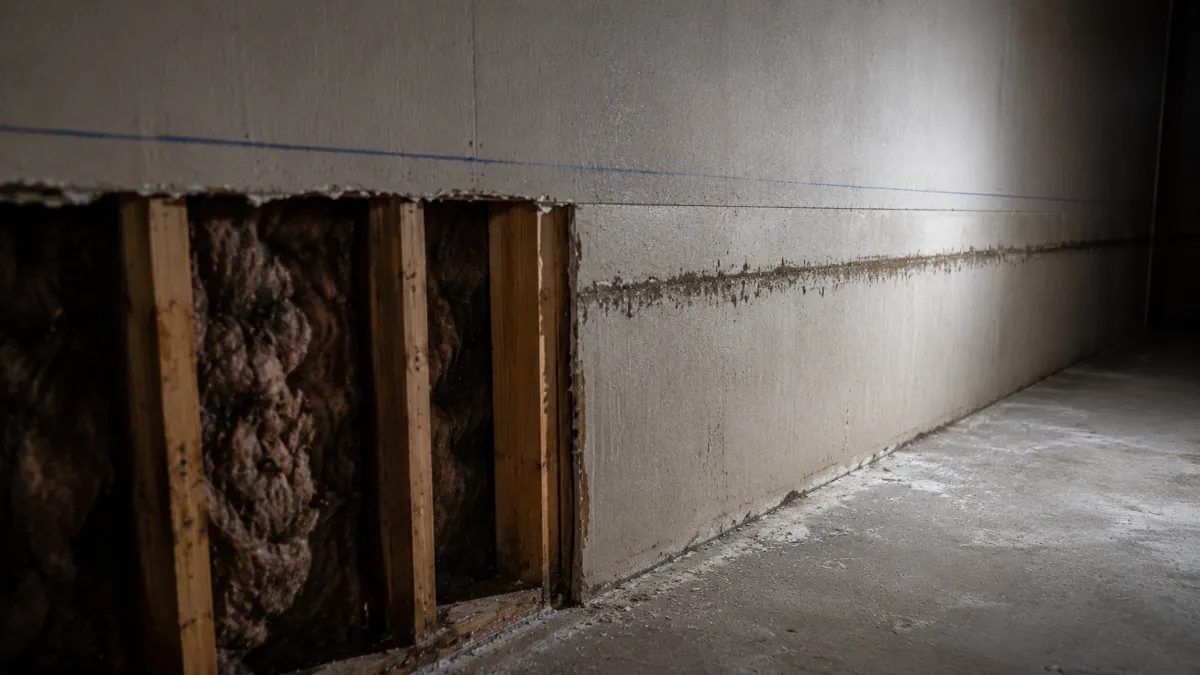
We identify what is saturated, remove it, and leave the rest.Carpet pad comes out almost every time. Carpet itself can sometimes be saved if the water was clean and we reached it fast. Drywall gets cut in a straight line above the water line, and the saturated insulation behind it comes out with it. Baseboard molding, particle board, cardboard, and upholstered furniture that took water are removed. Hard, non porous material like concrete, tile, and sealed hardwood can usually be cleaned and dried in place.
The line between what goes and what stays is decided on moisture readings, not on how something looks. Material that reads wet comes out. Material that reads dry stays, and it gets monitored.
We tell you what is coming out before it comes out.
Our Process
Our Water Removal Process
Step 1. Read before cutting
We take moisture readings across the affected material first. That tells us what is actually saturated and how high the water traveled, which is often higher than the visible line.
Step 2. Mark the cut
The flood cut is struck as a straight line above the highest wet reading. Everything below it comes out. Everything above it stays.
Step 3. Remove and bag
Saturated drywall, insulation, pad, and molding come out and are bagged for disposal. Contaminated material is handled separately.
Step 4. Expose and check the structure
With the material gone, we read the framing and the subfloor behind it, because that is what has to dry next
F.A.Q
Water Removal FAQ
Here are answers to common questions about our restoration services.

Why does the drywall have to come out if it looks fine?
Because it reads wet. Drywall wicks water upward through the paper and the gypsum, so the damage runs higher than the visible line. Saturated drywall does not dry back to sound, it stays soft and it grows mold.
Can my carpet be saved after a Detroit basement flood?
The pad almost never survives. Carpet itself sometimes can, if the water was clean and we reach it within 24 to 48 hours. Water that came up through a floor drain was contaminated, and then the carpet goes too.
Why is the insulation being removed?
Wet insulation holds water indefinitely and does not dry in place. It stays damp inside the wall cavity, which is exactly the condition mold needs, and it insulates the wet framing from the drying equipment.
How do you decide what comes out and what stays?
Moisture readings. Material that reads saturated comes out. Material that reads dry stays and gets monitored. My Charlotte LLC takes the readings before anything is cut.
How high do you cut the drywall?
Above the highest wet reading, not the visible water line. Water travels up through drywall further than it appears, so cutting only to the stain leaves saturated material in the wall.
Do I have to be there when material is removed?
No, but we tell you what is coming out before it comes out. Nobody should learn that half their basement wall was removed by walking in and finding it gone.

Water damage restoration serving Detroit and the surrounding metro area, based in Northville, MI. Emergency water removal, flooded basement cleanup, sewage backup,
and mold remediation. Brian leads every job and stays with the work until the structure is dry. Available 24 hours a day.


Service Areas
Contact Now
Office Location
302 W Main st., Northville Michigan 48167
Office Info
248-290-6470